1
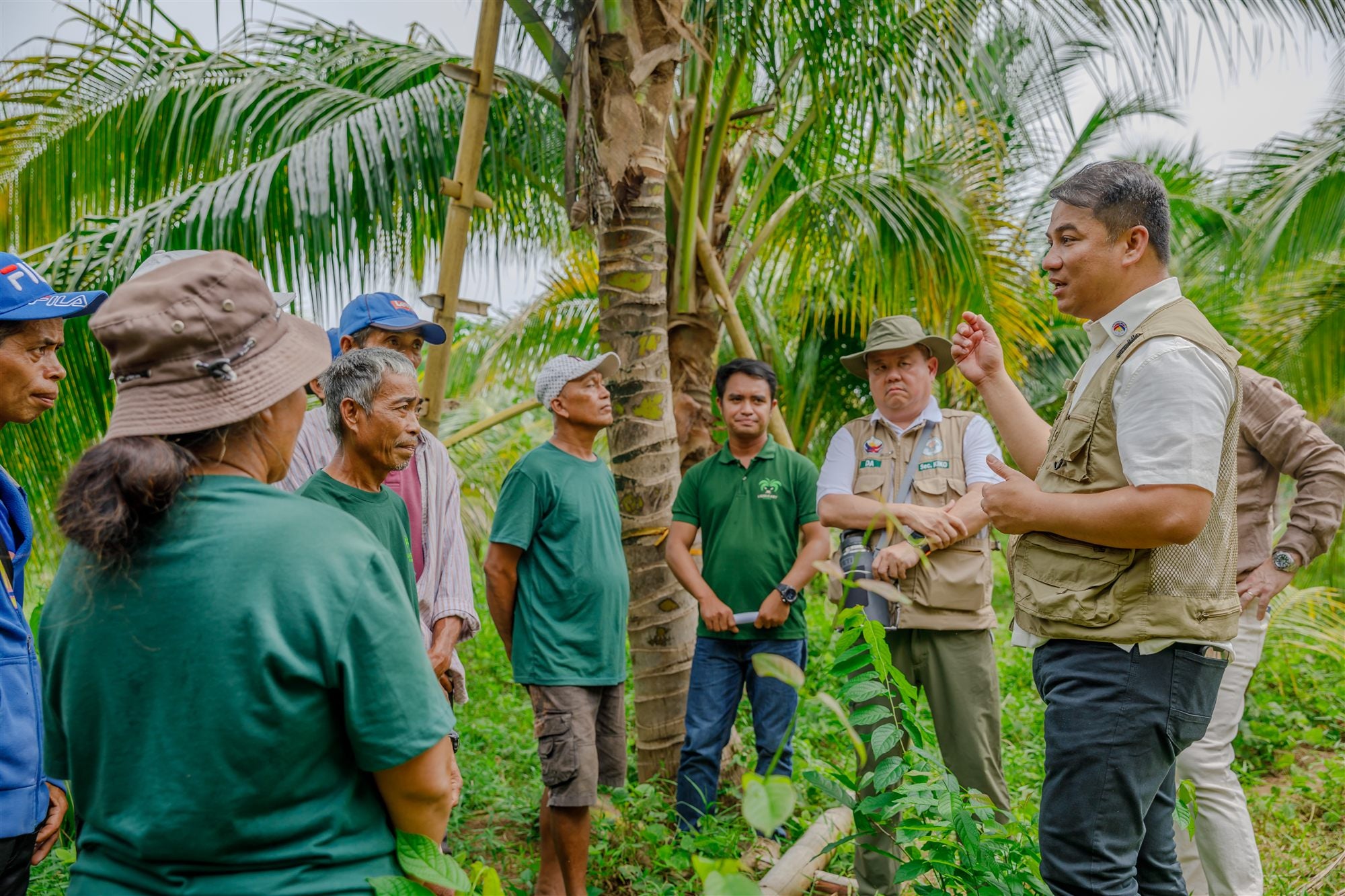
Better Farming Practices
Farmer experts are trained as trainers in good agricultural practices, so they can teach their neighbors and cooperatives.

A five-year partnership in southern Palawan to raise the incomes of coconut farmers and farm workers by turning coconut flower sap into high-value products, with better planting material and sustainable farming.
More with Less in the Philippine Coconut Industry is a partnership between Lionheart Farms, Philippine Business for Social Progress (PBSP), BaiAni and the Philippine Coconut Authority (PCA).
It is funded by Danida Market Development Partnerships, Ministry of Foreign Affairs of Denmark, and runs from October 2021 to September 2026 across southern Palawan.
The idea is simple: get more value from the coconut land farmers already have. Superior seedlings, better farming practices and sap tapping let the same farm produce more, and pay the people who work it more.
Farmer experts are trained as trainers in good agricultural practices, so they can teach their neighbors and cooperatives.
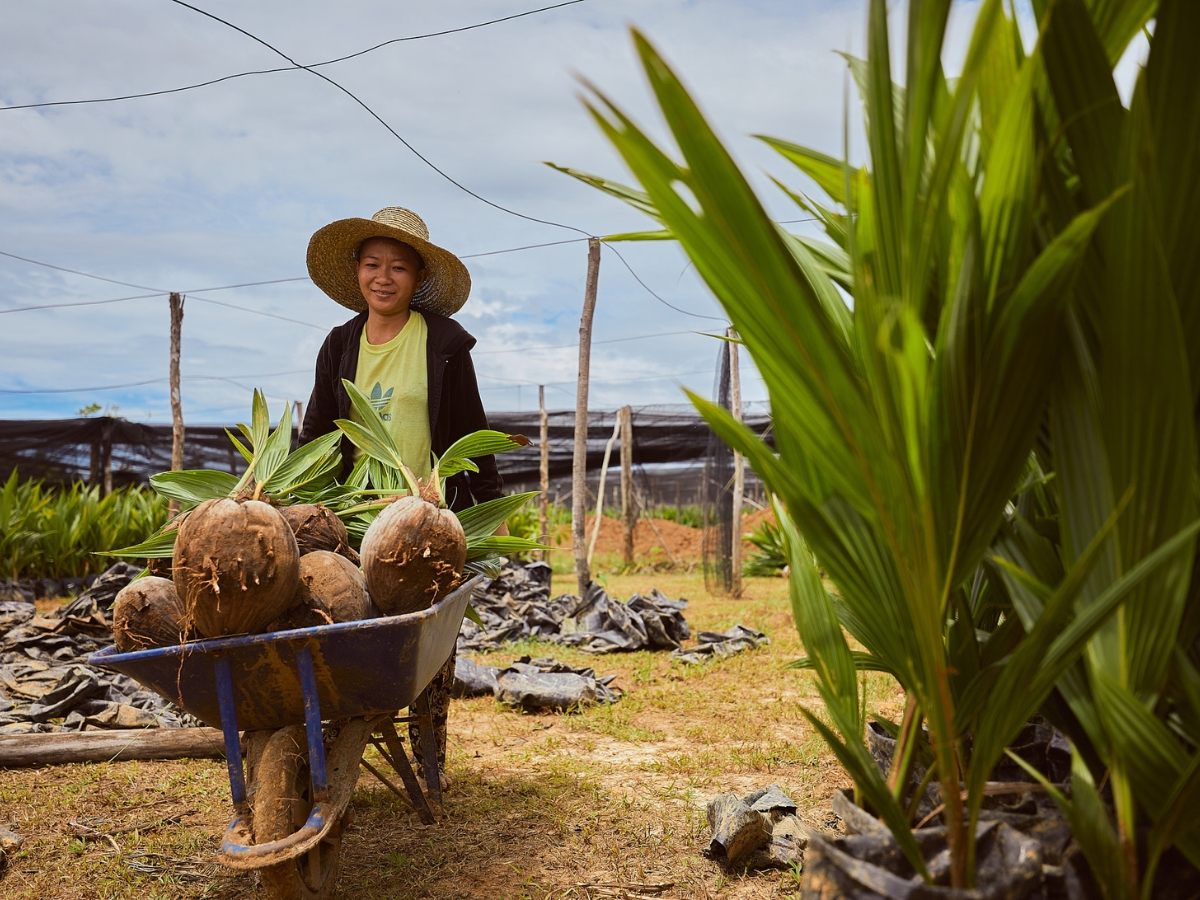
Nurseries and demo farms in Brooke's Point, Bataraza and Quezon, Palawan grow high-yielding coconut varieties for farmers to replant ageing farms.
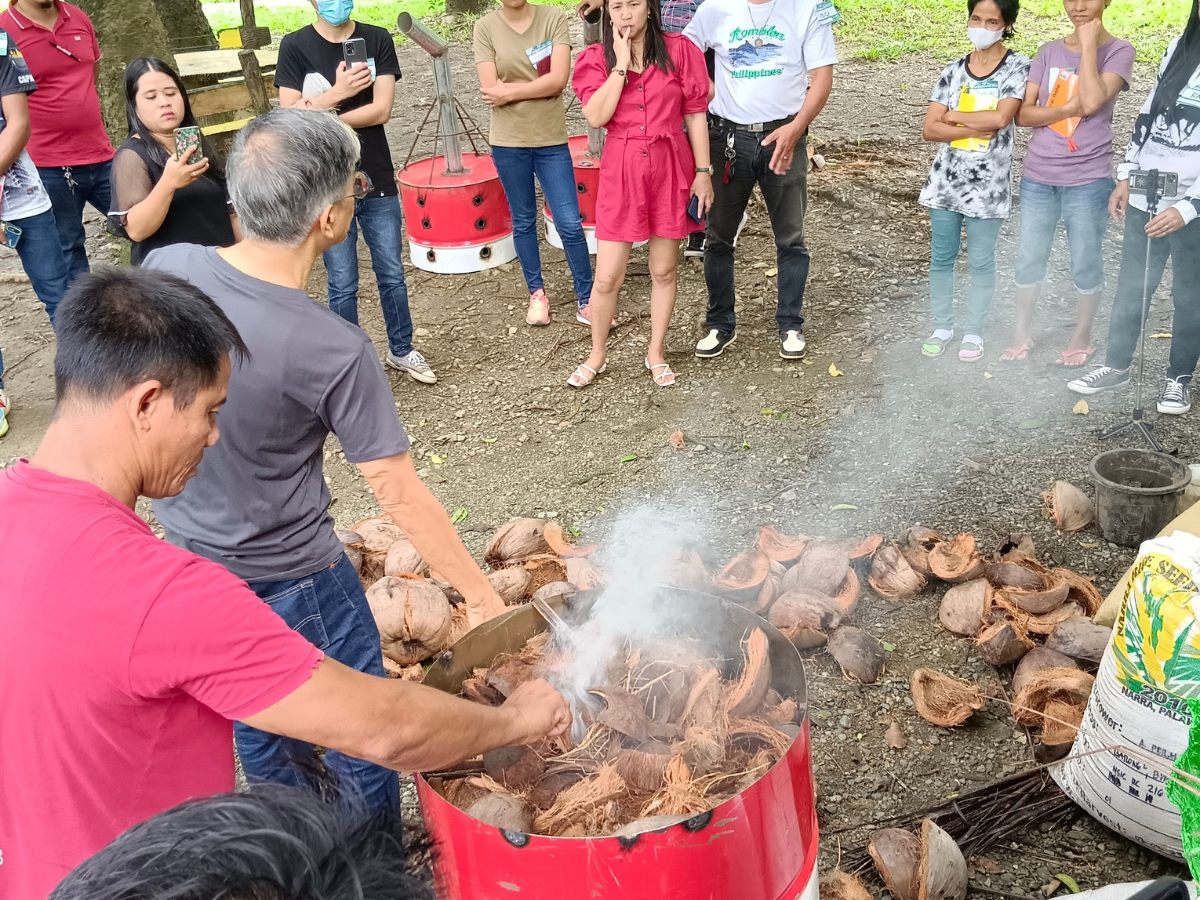
Farmers learn to make and apply biochar, and two cooperatives now earn income from it.
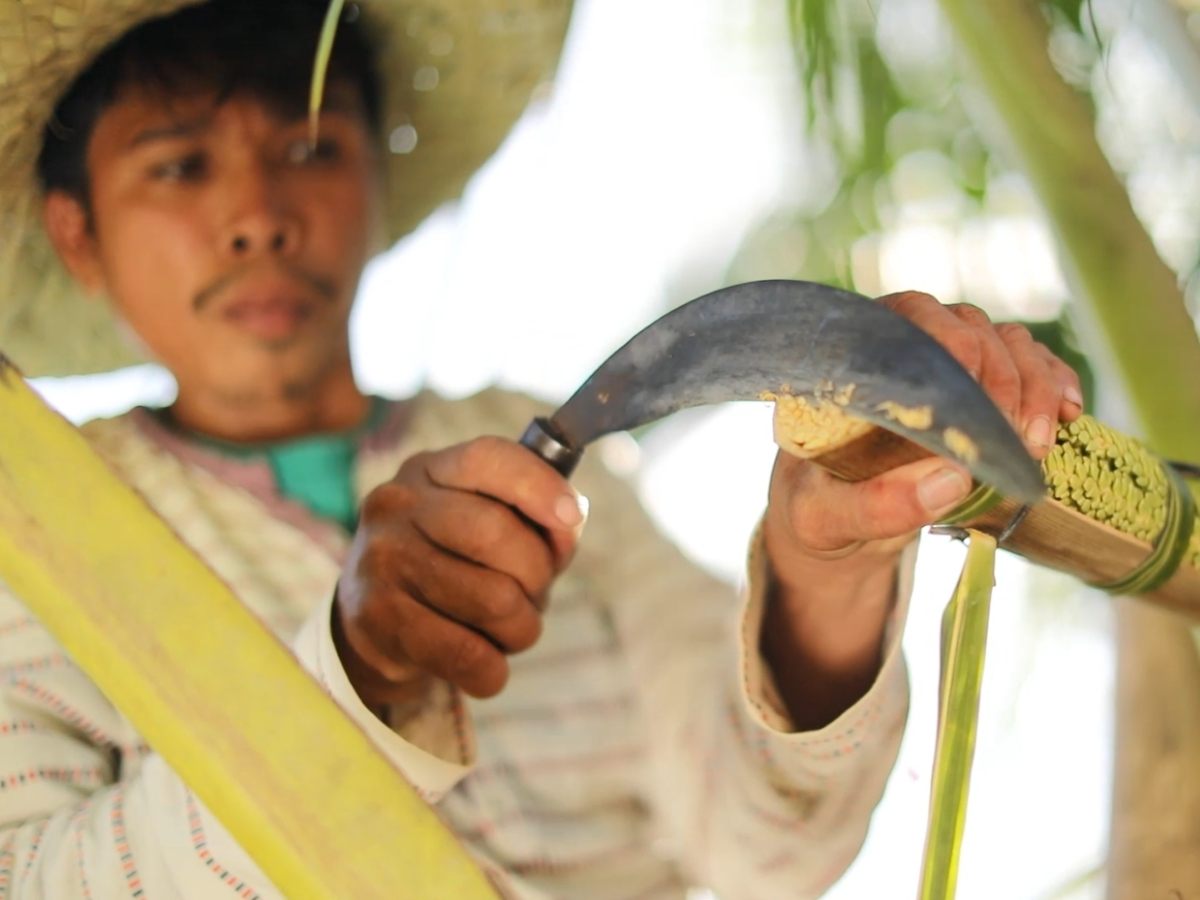
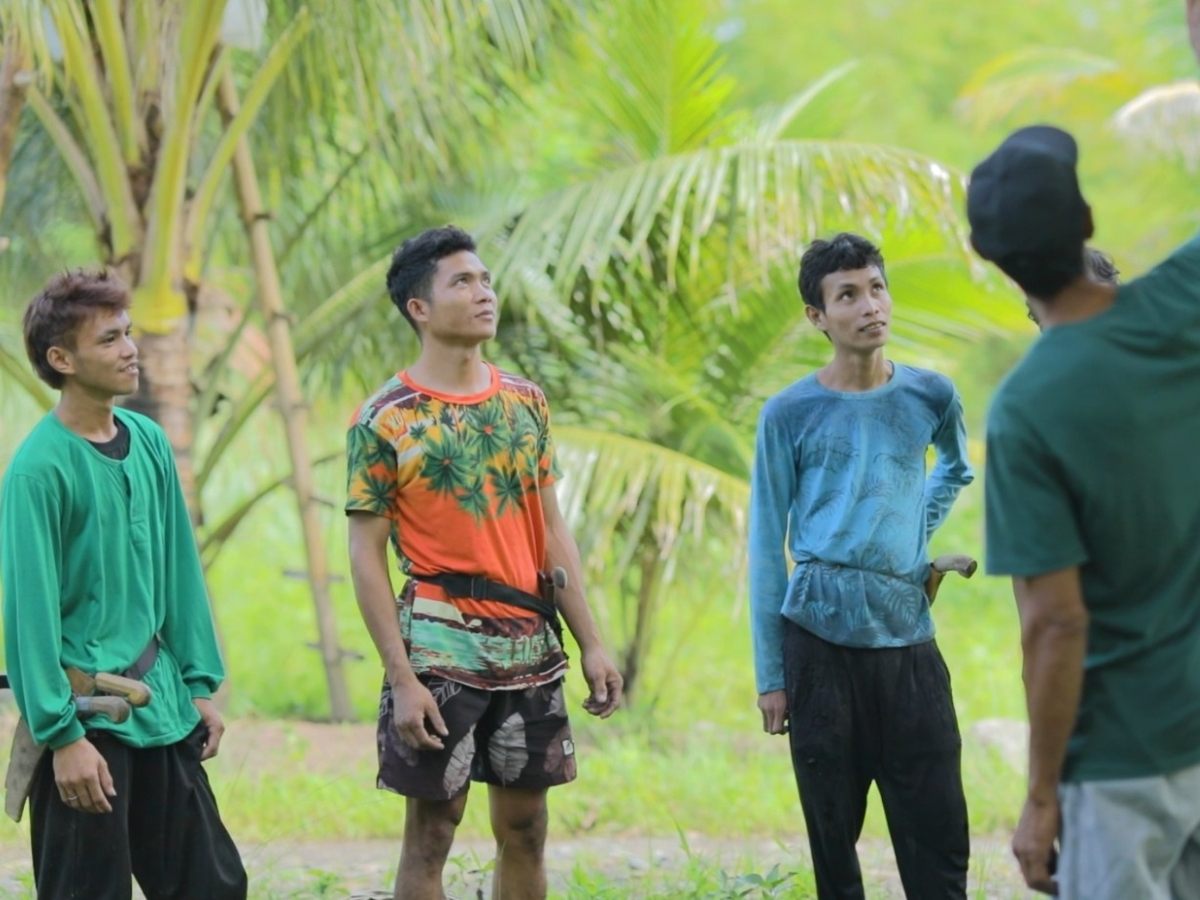
Lionheart trains tappers and buys their sap, creating daily income for farm workers and their families.
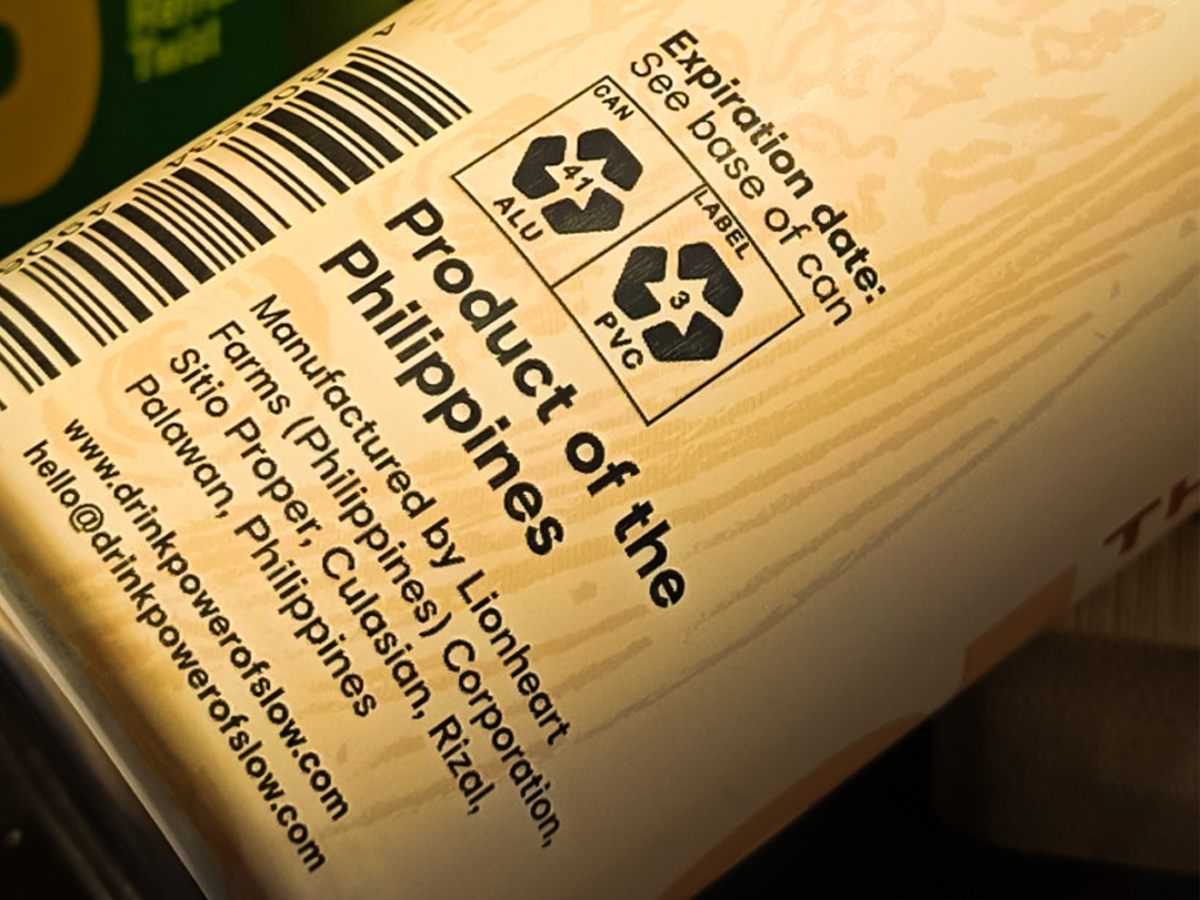
Lionheart expands its capacity to process coconut flower sap into aminos, syrup, vinegar and drinks for export.
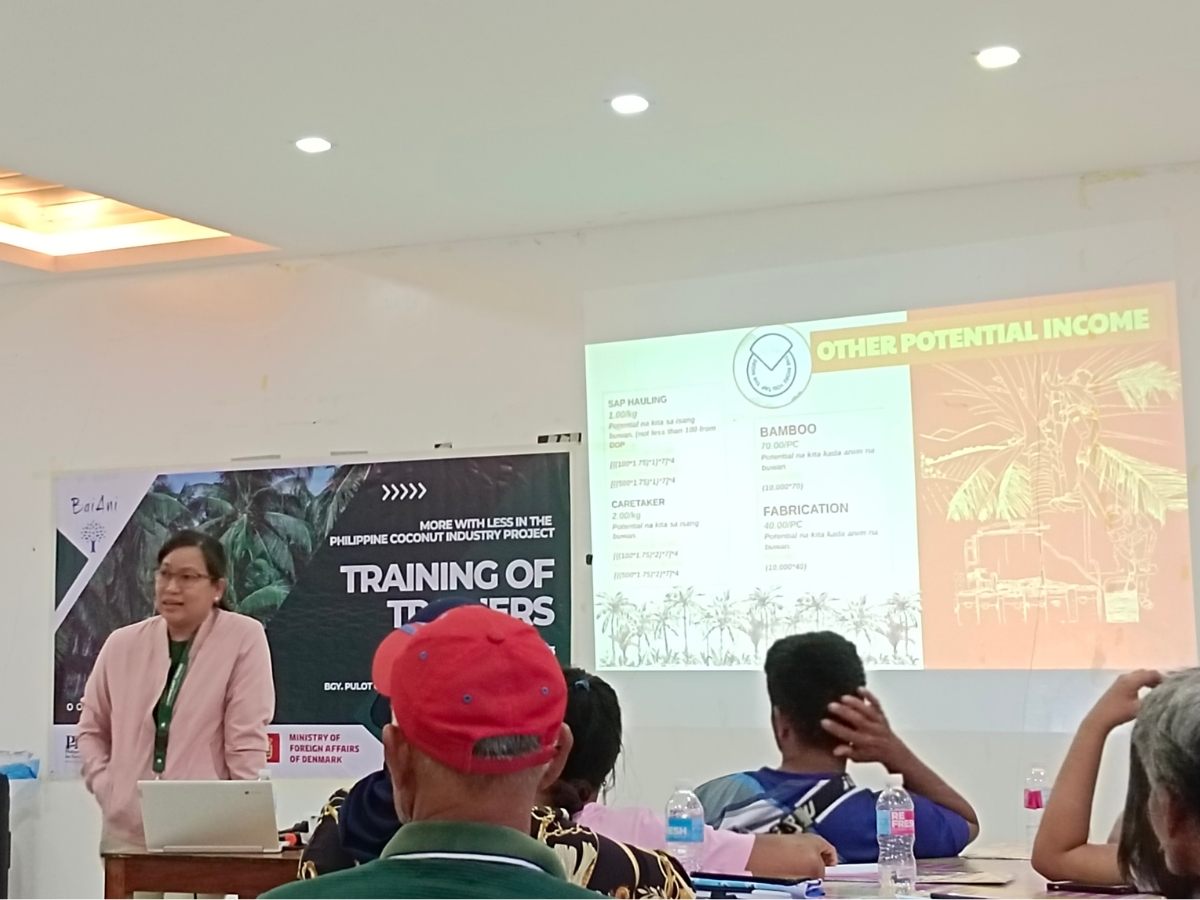
Training modules, case studies and conferences share the inclusive business model with government, industry and farmer groups.
As of 31 December 2025, from the project's 2025 annual report.
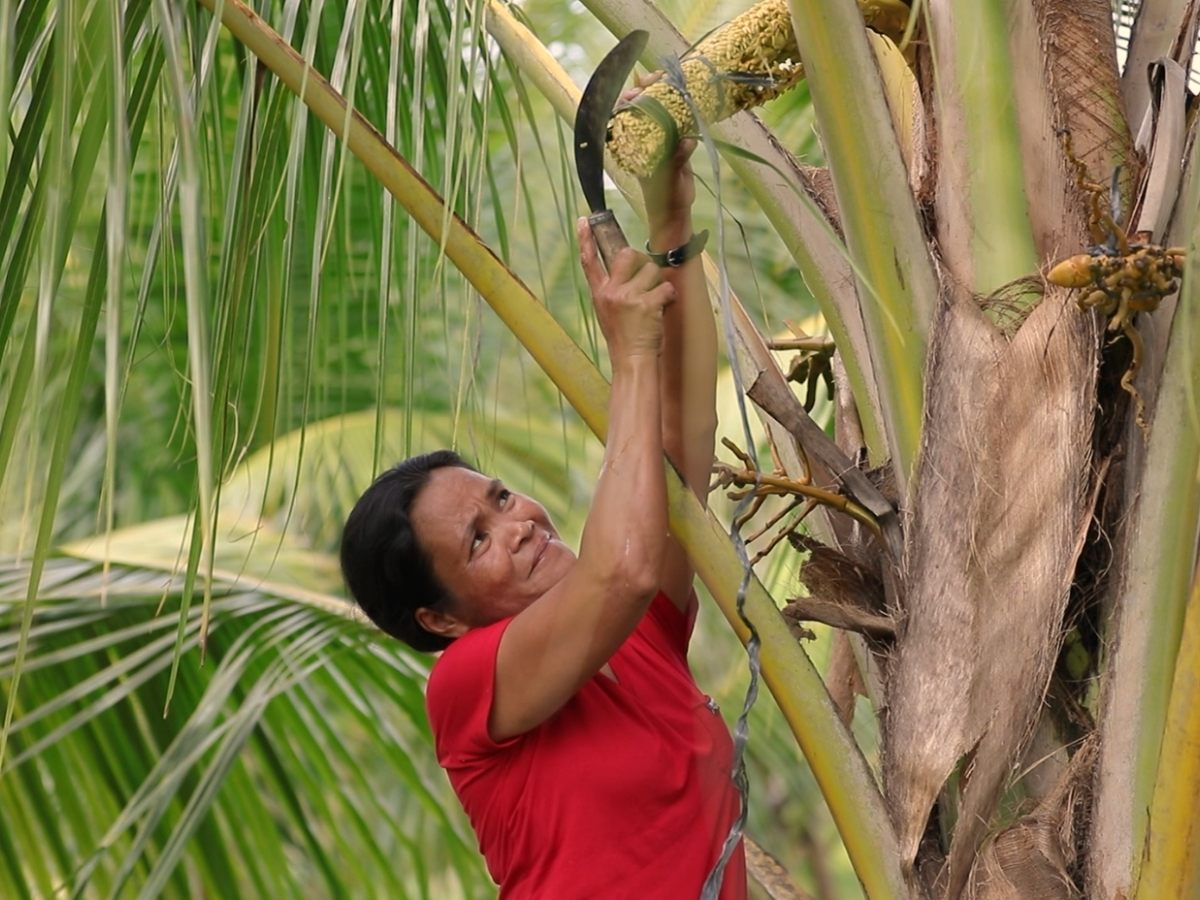
Lionheart is the project's commercial partner. We train tappers, buy the sap they collect and process it into products for markets around the world.
Tappers are paid by the liter, and earn on average around USD 412 a month, about twice the regional minimum wage. About 60% of the tappers trained in 2025 are Indigenous Peoples.
Funds the project through the Ministry of Foreign Affairs of Denmark.

Manages the project, its finances and its communications.
Leads farmer training in good agricultural practices, intercropping and biochar.
Provides superior coconut seedlings and technical expertise.
On 21 November 2025, the partners held the project's midterm conference in Quezon City, with the Embassy of Denmark, the Philippine Coconut Authority, government agencies and farmer partners. Lionheart CEO Christian Eyde Moeller shared how the coconut flower sap model can work for farmers and industry alike.
Government agencies, cooperatives and companies interested in the model can reach our team.
More with Less in the Philippine Coconut Industry is supported by Danida Market Development Partnerships, Ministry of Foreign Affairs of Denmark.