Farmer shoveling soil beside a coconut palm on the Lionheart farm
Sustainability

Sustainability

Producing coconut flower sap responsibly starts with people. Together with the Indigenous Peoples Community, our partner farmers and our team, we grow regenerative organic palms, keep the forest around them intact, and share the value with the communities who tap them.

Overview

Why Does Sustainability Matter to Us?

  • Farming has to pay.Coconut farming in the Philippines pays the people who do the work very little, and fewer young people want to do it. A sustainable farm has to be one people can build a living and a career on.
  • Everything starts with the palm.Every product we make comes from one raw material. When soil, forest and water come under pressure, the palms and the people who tap them feel it first.
  • Fresh sap can't wait.Sap spoils within hours, so our farm and factory work as one operation. Looking after the farm is how we look after the supply our customers depend on.
2026 Highlights

Progress Across Our Focus Areas

Through our partnership with the Indigenous Peoples Community, our Partner Farm Program and our own team, we're working to make progress across land, people and product.

500,000+coconut palms planted with the Indigenous Peoples Community
0non-conformances in our 2025 organic certification
1,928people reached directly by Gabay Kalinga Foundation in 2025
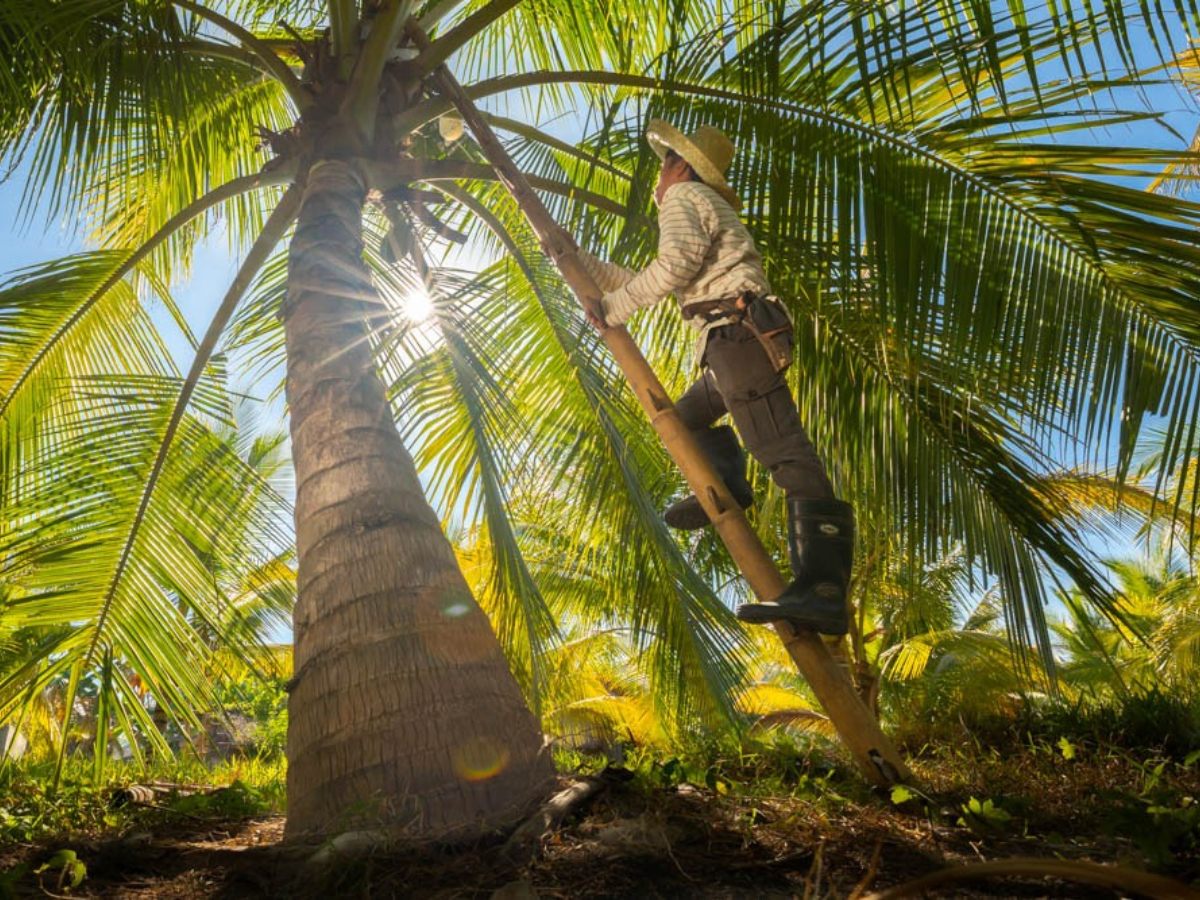
Tapper climbing a coconut palm on the Lionheart farm in Rizal, Palawan

What Is Sustainability?

In farming, sustainability means producing food today in a way that keeps the land productive, the surrounding ecosystem healthy and the people who do the work better off, so the farm can keep producing for the next generation.

For us, that means regenerative organic palms tapped for sap, forest and wildlife kept intact around them, and dignified work for the communities who host our farm.

Our Approach

What Is Lionheart's Sustainability Strategy?

A farm is only as strong as the people and the land behind it. Our strategy is built around that belief, and around one raw material we know well.

Young coconut palms growing on the Lionheart farm in Rizal, Palawan

Climate

Coconut palms, and the weather they depend on, are at the heart of our business.

Heavier rains and drought both affect sap. Our tappers pre-filter sap at the tree, we concentrate tapping on the most productive clusters during heavy rains, and we are gradually shifting toward more climate-resilient coconut varieties. Our nursery grew 4,836 seedlings from the farm's own seednuts in 2025.
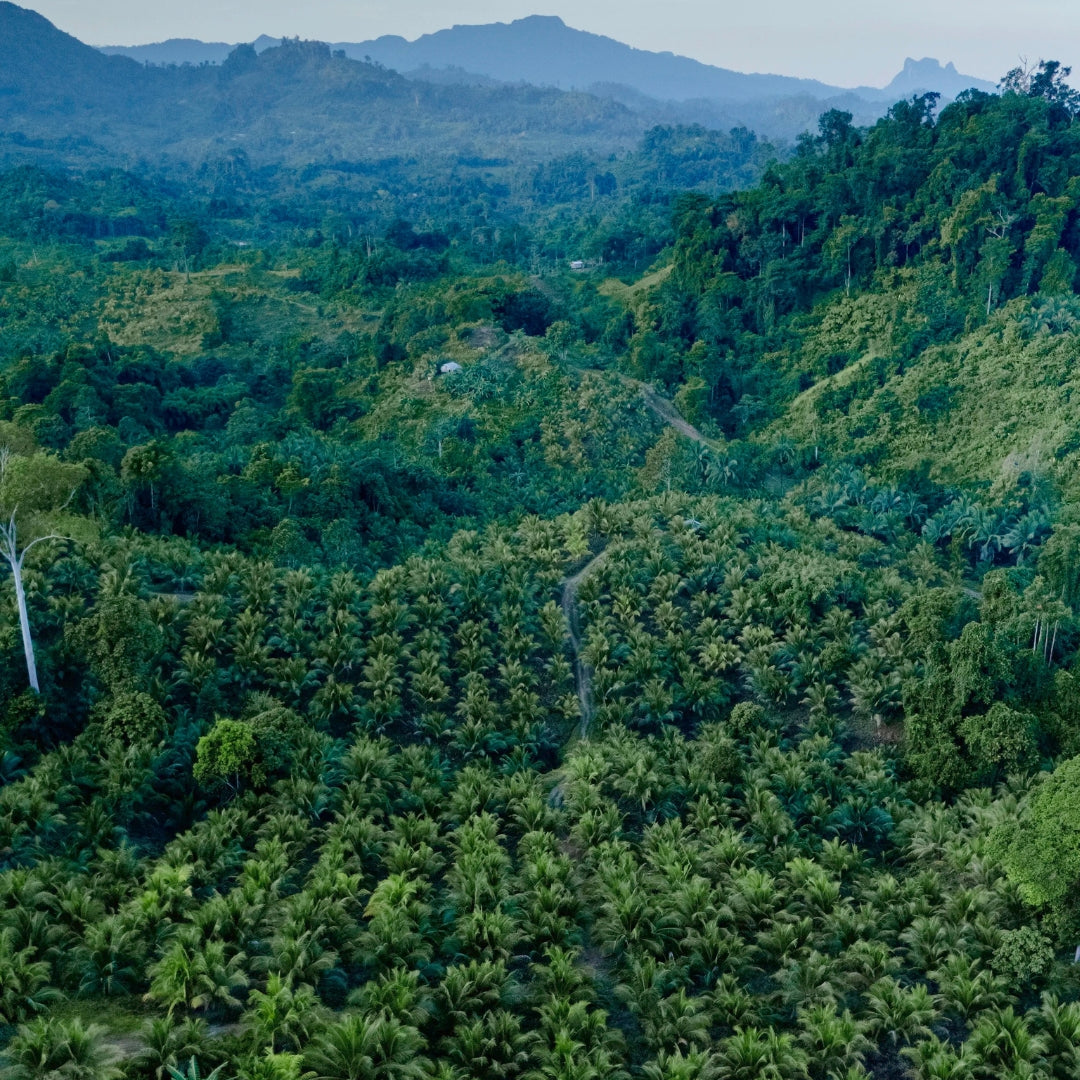

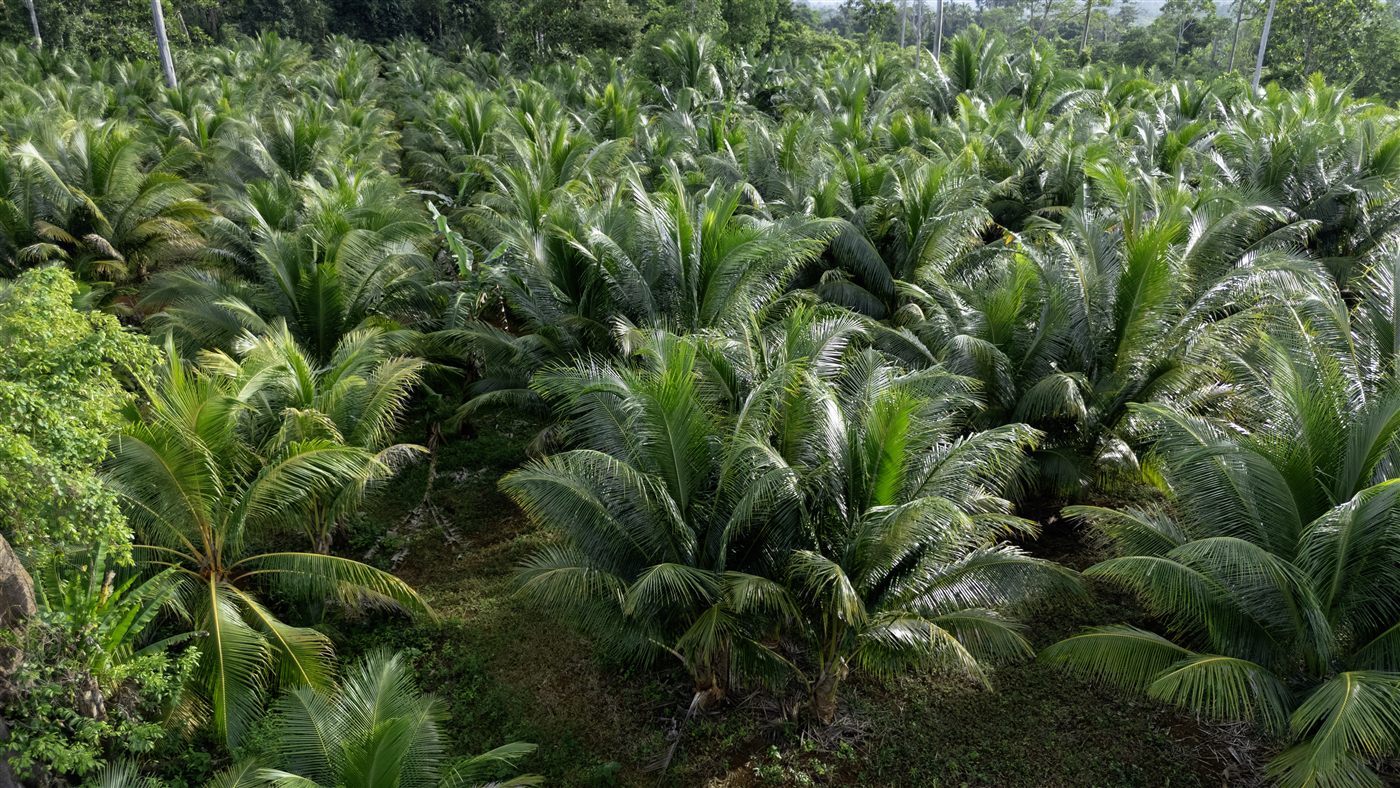
Aerial view of coconut palms planted between natural forest in Rizal, Palawan

Land, Forest & Water

We follow regenerative organic farming methods, use no synthetic chemicals and make our own bio-organic inputs, with soil health as the first priority. Our palms are planted in small pockets across the landscape, without cutting wildlife corridors or disturbing natural forest.

See how we farm
Christian Eyde Moeller with members of the Indigenous Peoples community at a celebration

People

Our farm was built with the Indigenous Peoples Community who are our partners and hosts. We work to make farming a career people are proud of, and through Gabay Kalinga Foundation we invest in education, livelihood and community development.

Explore our community work
Sustainability at Lionheart

How Lionheart Puts Sustainability Into Practice

Lionheart grows, taps and processes coconut flower sap in one place. That role shapes how we approach sustainability, from the soil to the shipping container. In practice, this includes:

  • Regenerative organic farmingNo synthetic chemicals and bio-organic inputs made on the farm, with soil health as the first priority.
  • Forest and wildlife kept intactPalms planted in small pockets, without cutting wildlife corridors or disturbing natural forest.
  • Farm and factory as one operationSap processed within hours of tapping, so every batch can be traced back to the farm.
  • Certified practicesUSDA Organic, EU Organic, BRCGS Food Safety Grade AA, and a SMETA-audited facility.

Sustainability FAQs

Common questions about how Lionheart approaches sustainability across its farm, factory and supply.

How does sustainability affect your supply?

Every Lionheart product starts as coconut flower sap, and fresh sap spoils within hours. Healthy palms, healthy soil and a factory next to the farm are what make a reliable supply possible, so how we farm and how we supply are the same question.

How do you work with customers on sustainability?

We give food and beverage brands a single-origin ingredient with documented traceability from our farm to their factory, and certifications they can name on their own label: USDA Organic, EU Organic and BRCGS Food Safety Grade AA.

How do you work with farmers?

Our Partner Farm Program brings neighboring coconut farmers in southern Palawan into the same sap and quality system as our own farm, so their sap can reach the same buyers.

Does tapping harm the palm?

Tapping uses the flower bud, not the trunk. A coconut palm produces new flower buds through the year, and our tappers rotate across palms on a set schedule.

Why is traceability important for coconut flower sap?

We work with one raw material from one farm system. Sap reaches our factory within hours of tapping, so we can trace every batch back to the farm.

Is your farming biodynamic or carbon-negative?

We describe our farming as regenerative organic: we use no synthetic chemicals and make our own bio-organic inputs. We are not Demeter certified, so we don't call it biodynamic, and we don't make carbon claims we can't verify.